
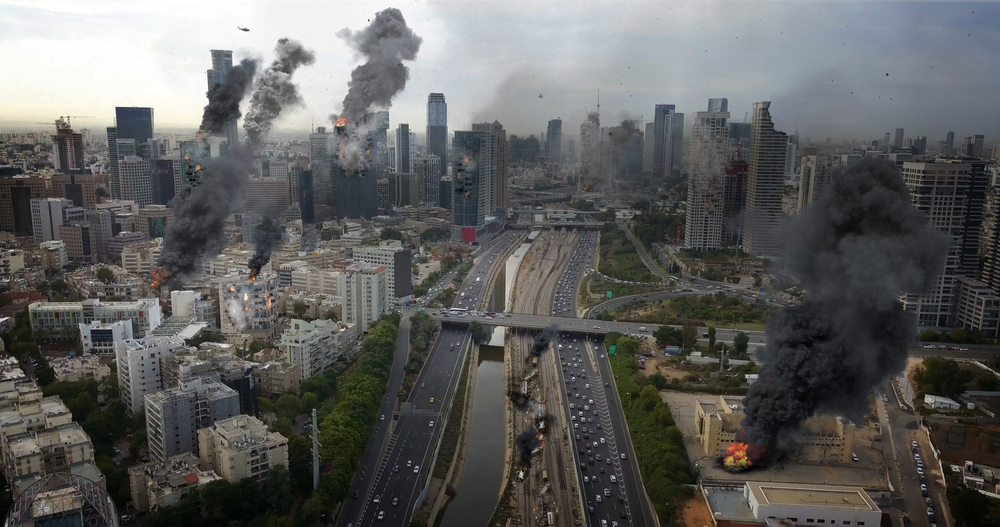
Possible New U.S. Base Near Gaza and What Increased Overseas Deployments Mean for Defense Base Act Injury Claims
A recent report from The Defense Post described U.S. planning efforts for a large base or housing facility near the Gaza border. That development follows broader trends in overseas military support operations, where civilian contractors handle logistics, construction, transportation, and security roles in unstable regions. Assignments near conflict zones pose a higher risk of injury, and many workers take extra precautions before accepting those jobs. You benefit from understanding how the Defense Base Act protects contractors in these locations and how to prepare for an injury claim when your work takes you into an unpredictable environment.
Overseas deployments remain a significant part of U.S. strategy, and private contractors play essential roles on those missions. A new facility near Gaza would likely rely on contractors for building support structures, equipment maintenance, food services, and key supply-chain functions. These positions carry exposure not only to workplace hazards but also to conditions linked to the surrounding region.
How a New Facility Near Gaza Could Increase Contractor Risks
Worksites near conflict areas face dangers distinct from those in standard overseas assignments. Construction zones may include unstable ground, damaged infrastructure, or narrow staging space for heavy machinery. Transportation routes may shift with little notice. Weather, crowds, and political turbulence add further challenges.
Contractors often face tightly scheduled tasks involving cranes, power tools, forklifts, generators, and electrical systems. Injuries may occur during loading operations, movement between sites, or routine maintenance. A location near Gaza may also expose workers to risks unrelated to typical construction work, such as sudden evacuations or nearby unrest. These conditions create situations where traditional workplace injuries intertwine with risks tied to the region itself.
How the Defense Base Act Protects Workers in Conflict-Adjacent Zones
The Defense Base Act provides medical care, wage-loss benefits, and death benefits for civilian contractors injured while supporting U.S. operations abroad. Coverage applies whether the injury occurs on a secure base, in the surrounding region, or while traveling for work. You still qualify for benefits even when the injury results from conditions associated with the area rather than a traditional workplace hazard.
The DBA relies on a concept called the “zone of special danger.” This doctrine recognizes that life in conflict-adjacent areas exposes workers to risks that arise from the location rather than the job itself. Courts often apply this rule when contractors are harmed during transportation, off-duty movements, or non-combat incidents in the region. The key question becomes whether the injury stemmed from the assignment’s overall conditions.
Understanding this doctrine gives you a clearer sense of how broad DBA coverage can be, mainly when an injury occurs outside of hands-on job duties.
How Contractors Should Approach Safety and Documentation Near Gaza
Work near Gaza or similar regions requires preparation. The unpredictable environment makes documentation even more important. You protect your position by keeping consistent records of work assignments, job tasks, medical appointments, and any on-site incidents involving equipment or environmental hazards. Prompt reporting helps maintain a clear timeline that supports later benefit requests.
Your employer may provide safety briefings, evacuation plans, and rules for movement within the area. Staying familiar with those materials helps reduce risk and creates a reference point if a dispute emerges about what happened. Jobsite photographs, messages exchanged with supervisors, and travel logs serve as additional support for a potential DBA claim.
How Foreign Nationals Fit Into Expanded Deployments
Many U.S. defense contracts rely on local and third-country nationals. A new base near Gaza would likely employ a significant number of these workers. The DBA covers foreign nationals injured on qualifying U.S. contracts, and benefit rights remain intact regardless of home country or citizenship. Benefit rates may vary by wage structure, yet coverage still includes medical treatment and compensation for lost earning capacity.
Foreign national employees often need extra help navigating the claim process. Language barriers, limited access to records, and differences in local medical systems can create obstacles. Clear documentation and early reporting help address these challenges.
How Contractors Should Respond After an Injury in a Conflict-Adjacent Region
An injury near Gaza requires quick action. The first step is to seek medical attention from an available provider. The next step is to notify your employer and request written confirmation of the notice. Injury timelines matter in DBA claims, so documenting these steps helps avoid benefit delays.
Handling an injury in an unstable location often introduces additional hurdles. Transportation to clinics may take longer. Communications with supervisors or contracting offices may feel inconsistent during periods of unrest. You protect your rights by saving all messages, appointment slips, medical findings, and work restrictions. These records help show that you followed procedures even when the environment created obstacles.
How a DBA Lawyer Helps When Injuries Occur Near Conflict Zones
DBA claims tied to areas like Gaza require careful attention to evidence, timelines, insurer requests, and benefit calculations. An attorney familiar with overseas deployments can gather missing records, contact witnesses, review medical findings, and address any dispute about job duties or coverage. Legal support helps streamline communication with insurers and prevents delays that often occur when injuries occur far from home.
Cases involving the “zone of special danger” may require explanations that tie the injury to conditions surrounding the assignment rather than a direct workplace act. A lawyer can help present those facts clearly.
Talk With a Defense Base Act Lawyer About an Overseas Injury
If an overseas deployment in a conflict-adjacent region resulted in an injury, you can contact Friedman, Rodman & Frank at 1-877-960-1018 for a free case evaluation. The firm represents civilian contractors worldwide and can help you understand your rights, organize key records, and move forward with a Defense Base Act claim grounded in accurate documentation and practical guidance.


About Post Author
